Fibreglass tubes
Harkov Plast winds to order: tubes and cylinders from Ø 3 to Ø 600 mm, rods up to Ø 70 mm.

How a tube is wound
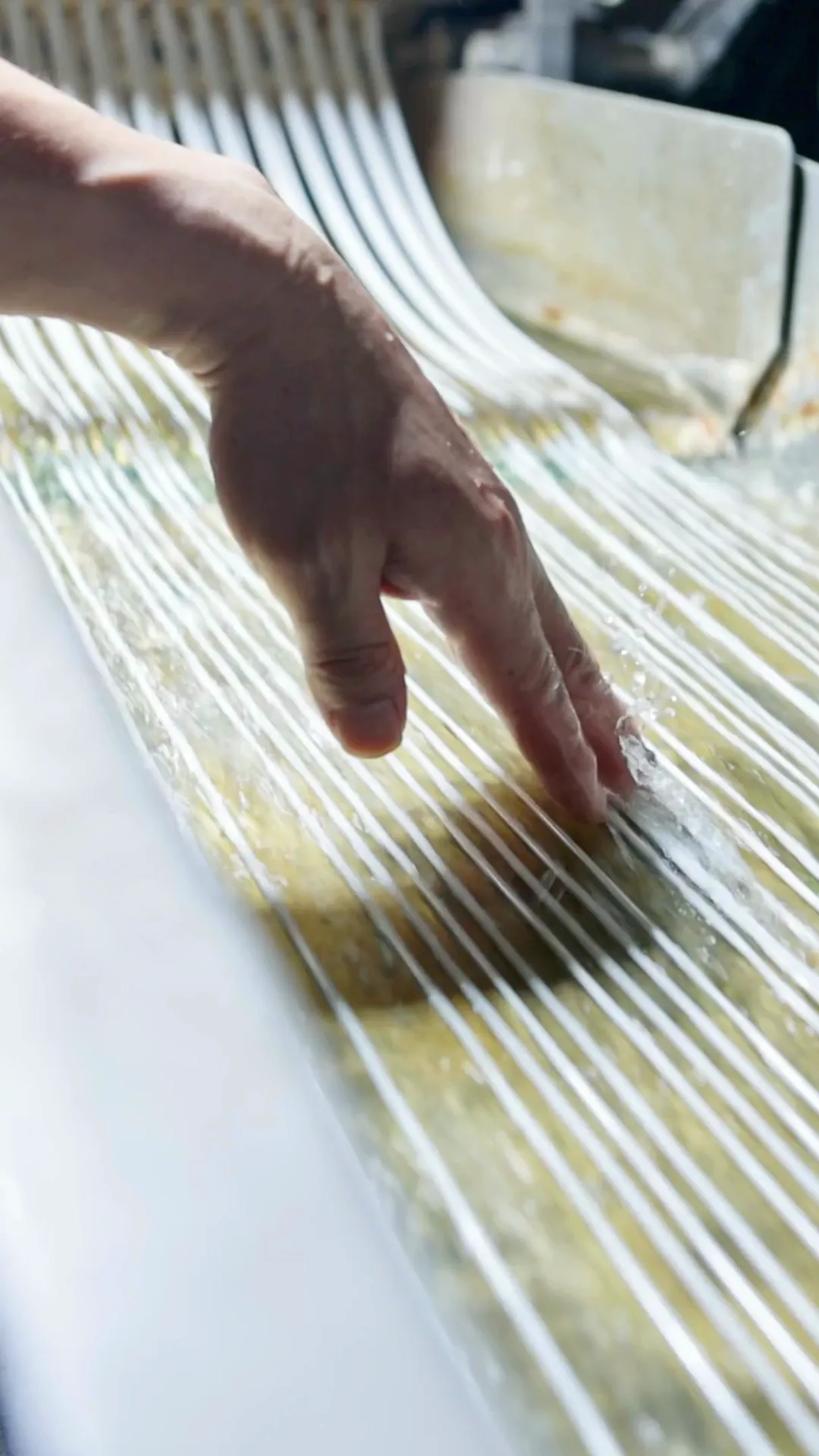
Glass roving runs through resin and is laid on the turning mandrel layer by layer.
- 01Winding at a set angle
- 02Polymerisation (curing)
- 03Extracting the mandrel
- 04Machining
- 05Painting
The mandrels
The inner diameter of a tube is the diameter of the mandrel it is wound on: from Ø 3 to Ø 600 mm.
There are also two conical, five rectangular and four tapered-pyramid mandrels. The full table
The material
Lighter than aluminium, an insulator, and it does not corrode.
A tube with inner Ø 50, 3 mm wall and 1 m length weighs:
- Steel3.92 kg
- Aluminium1.35 kg
- Fibreglassup to 1.00 kg
- < 2 g/cm³
- Density. Steel is 7.85, aluminium 2.7.
- 40 kV / 3 mm
- Dielectric strength, across the layers.
- > 10¹⁴ Ω
- Insulation resistance.
- 165–490 MPa
- Flexural strength. Depends on the winding pattern.
- < 0.3 %
- Water absorption over 24 hours.
- radio-transparent
- Lets radio waves through: low dielectric loss angle.
It also stands up to chemically active media. The data sheet
Products
From high-voltage insulators to a playground balance beam.
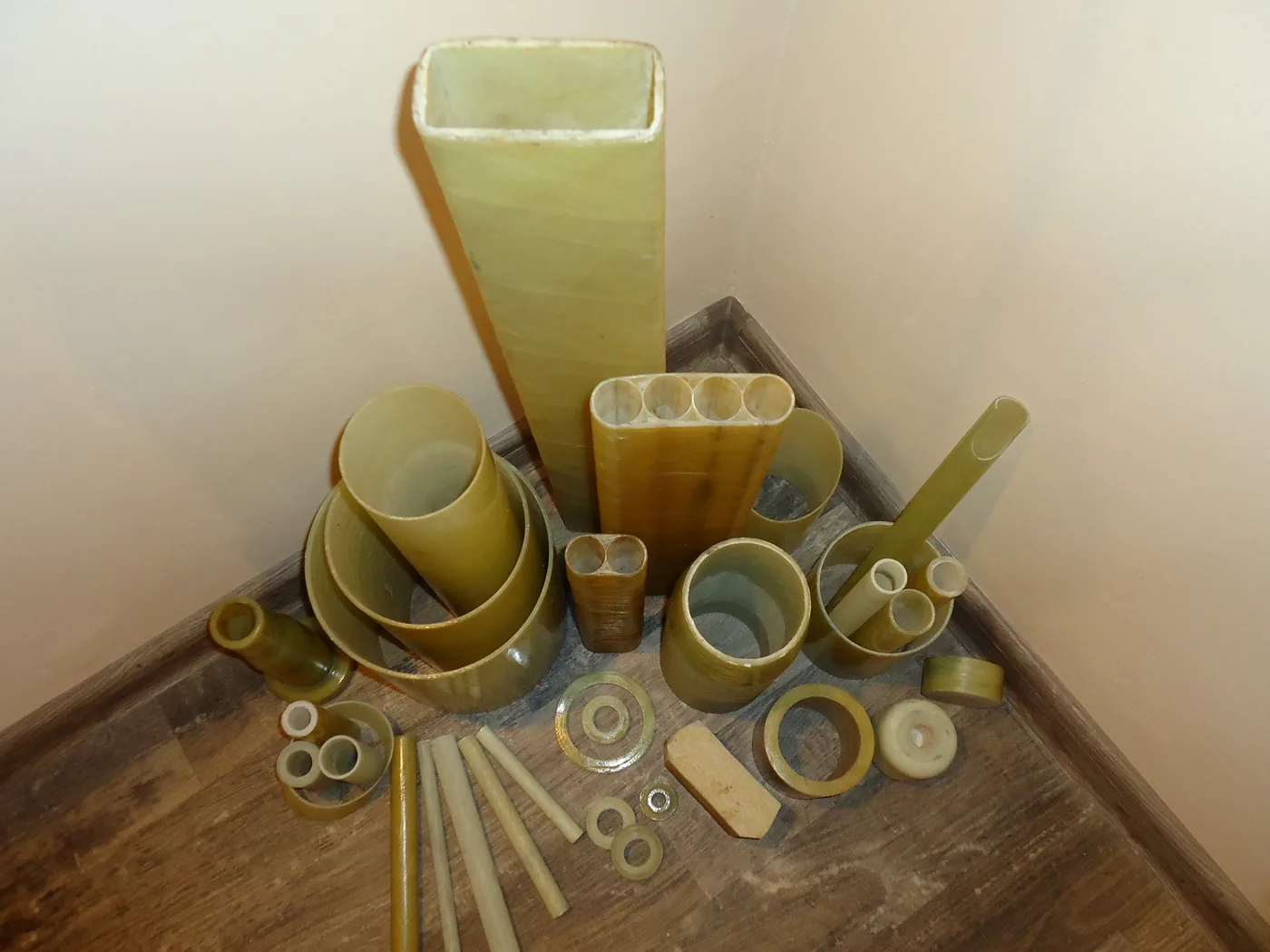
Tubes and cylindersØ 3–600 · up to 4000 mm
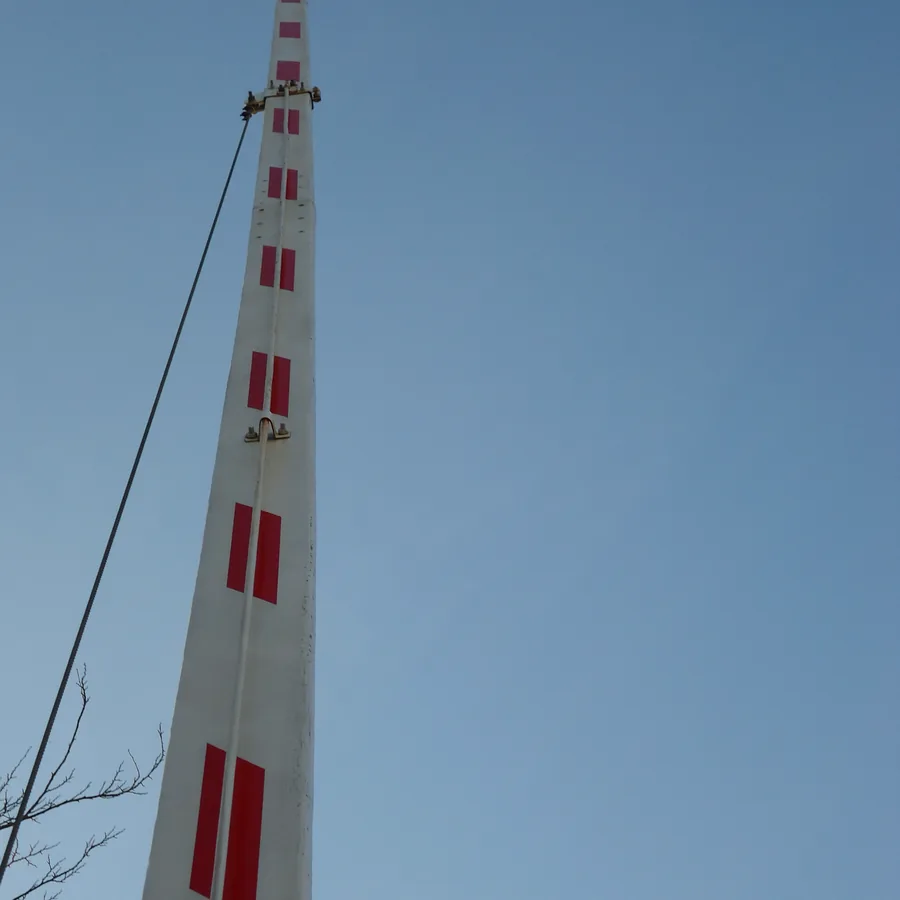
Barriers4, 6 and 8 m
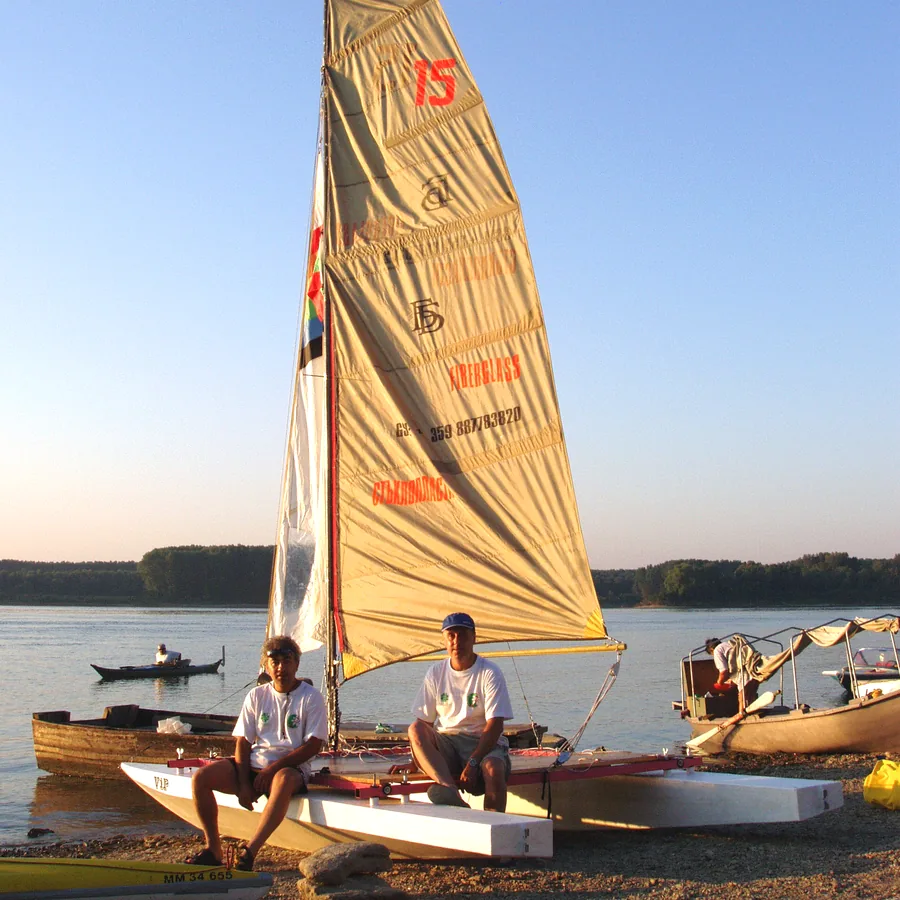
Mastsup to 12 m, telescopic
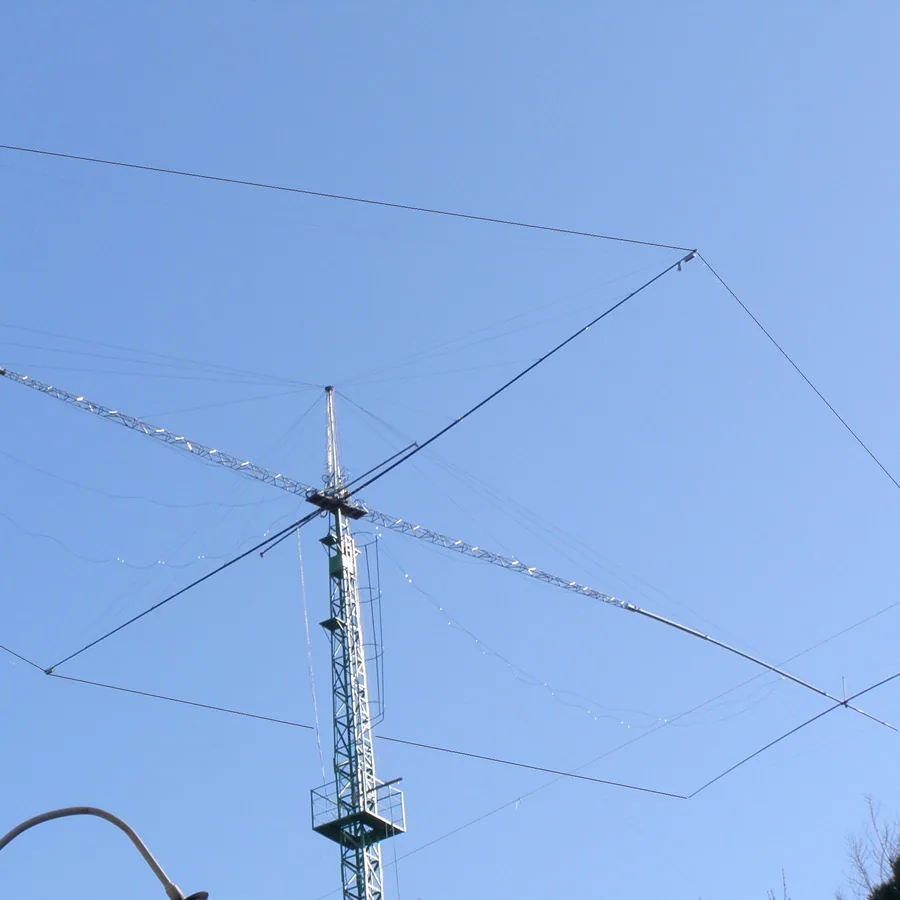
AntennasHex Beam, Yagi, Spider Beam
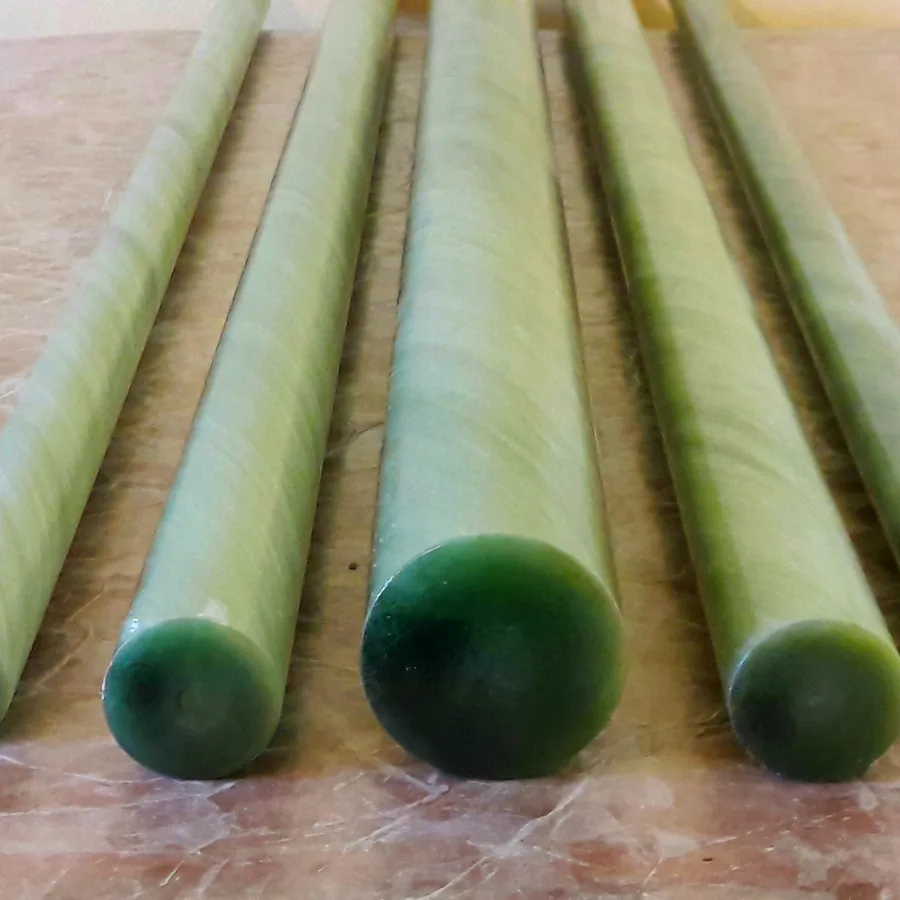
Rodsup to Ø 70 mm
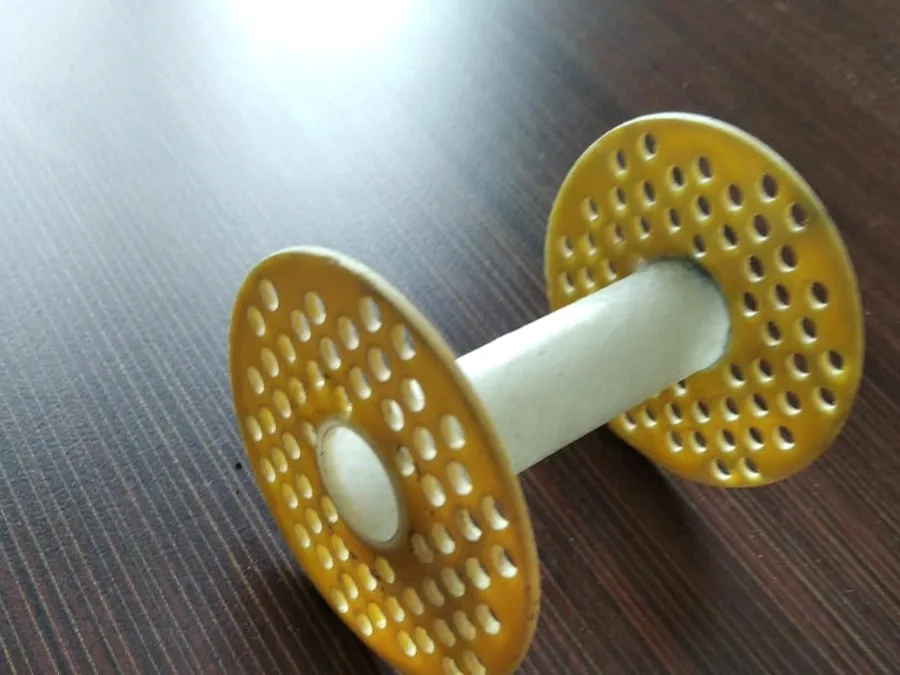
Parts to drawingcoil formers, insulators, washers